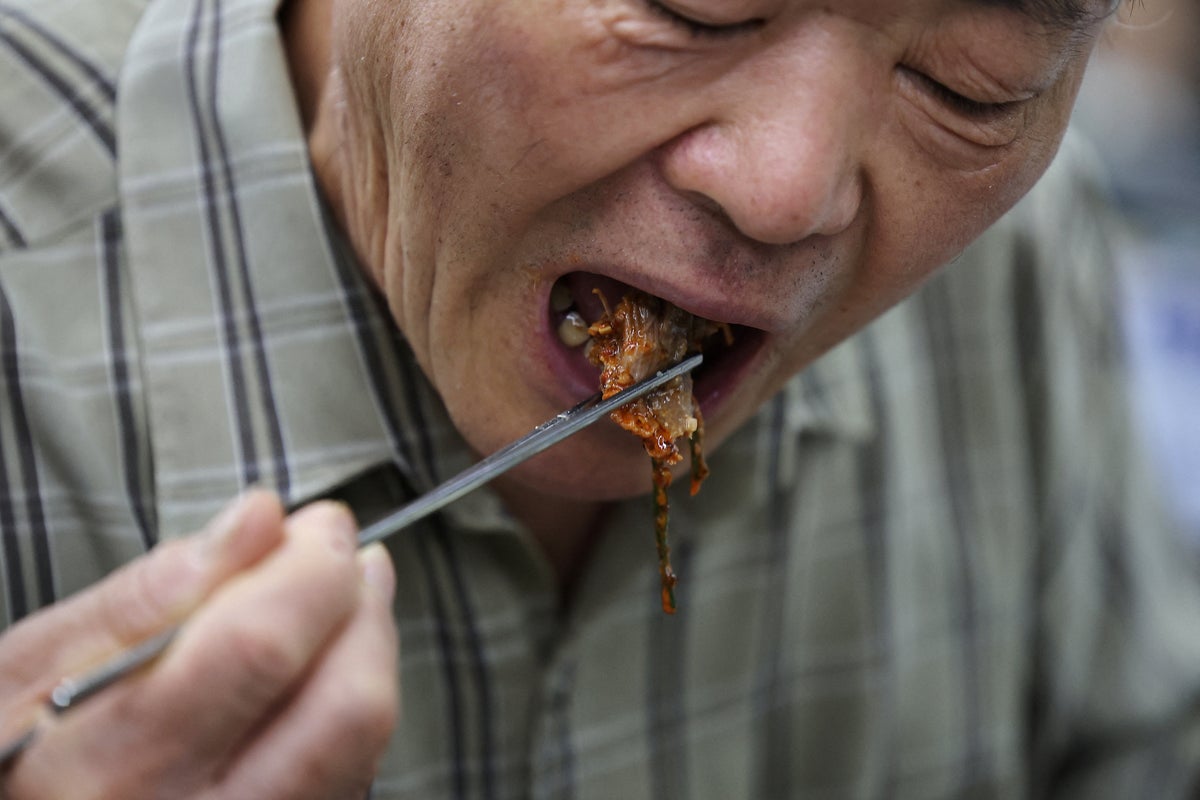
For decades, the peak period of summer heat historically brought surging trade to South Korea’s dog meat venues, with locals eating traditional energy-boosting meals to cope with the weather.
The third “boknal”, or hot day, of 2026 on Friday held particular significance as the final one before a total nationwide prohibition takes effect in February 2027, banning the breeding, slaughtering and sale of dogs for human consumption.
Crowds populated lunchtime alleys outside eateries in Seongnam’s Moran Market, historically famous as a central trade hub for the canine meat industry.
However, numerous businesses have now transitioned to black goat stew and alternative offerings, while the remaining clientele ordering the traditional “bosintang” dog meat soup was composed almost entirely of elderly diners.
“It’s really desolate now,” said Kim Yong-book, head of the Moran Market Merchants’ Association, who has worked in the area, which is near Seoul, for more than 40 years.
What was once a bustling trade hub has become “a town of old people,” he said.
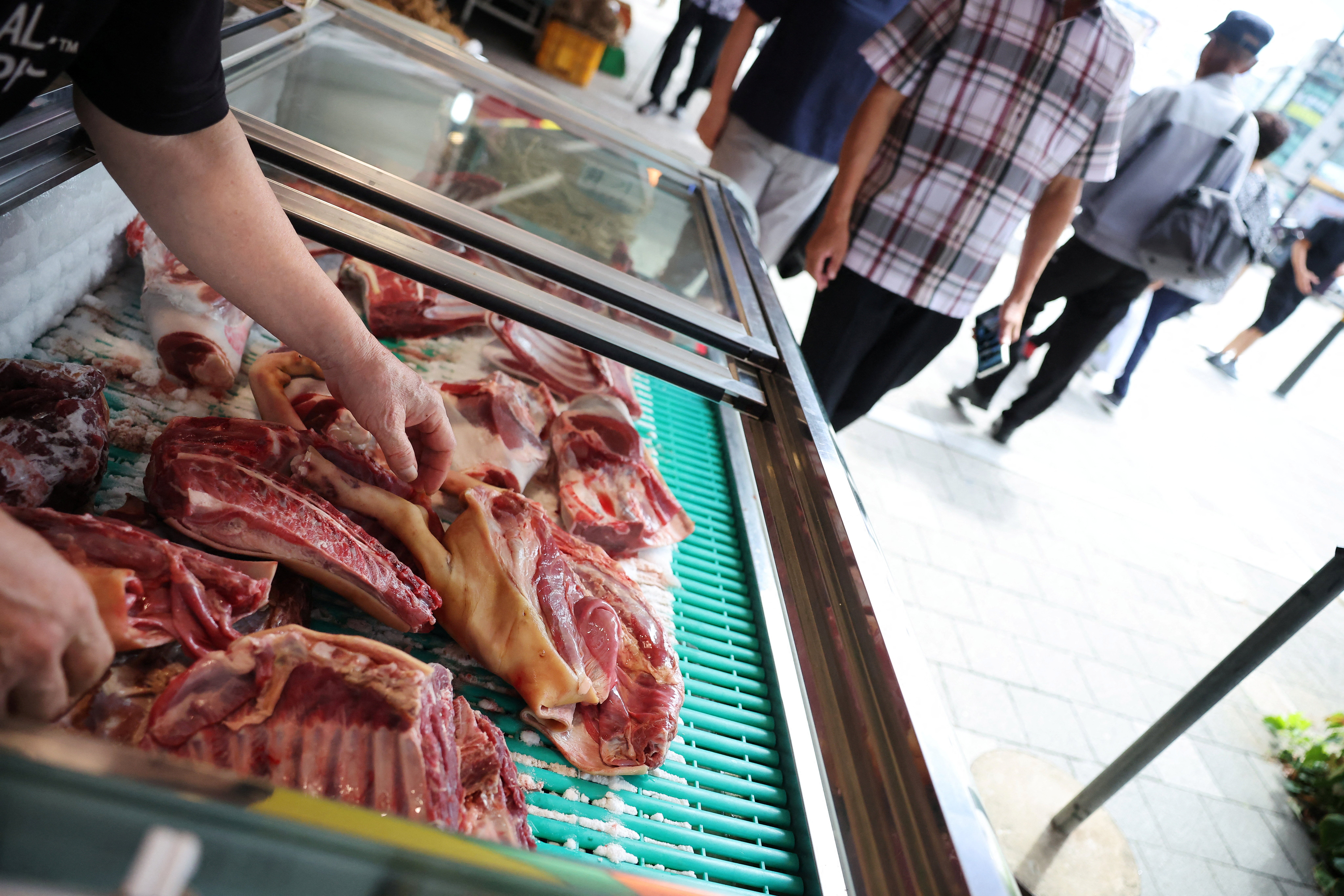
The ban caps a long decline in dog meat consumption as rising pet ownership and changing attitudes toward animal welfare transform public opinion.
In a survey released just before the law passed in 2024, more than 90% of 2,000 respondents said they had no intention of eating dog meat in future, while more than 80% supported a ban. Nearly 95% said they had not eaten dog meat during the previous year.
Government data showed more than 5,600 businesses were affected by the legislation, while officials said most dog farms had already closed ahead of next year’s deadline.
The campaign to end the dog meat trade gathered momentum under ousted former President Yoon Suk Yeol and his wife, former first lady Kim Keon Hee, an outspoken animal welfare advocate who publicly backed a ban.
Parliament passed legislation in January 2024 banning the breeding, slaughter, distribution and sale of dogs for human consumption.
The law provided a three-year grace period and will be fully enforced from February 2027, with violators facing prison terms and fines. Authorities have also promised support for affected farmers, distributors and restaurant owners.
For restaurant owner Lee Kang-chun, a former merchants’ association chairman who has spent 37 years in the trade, the change evokes mixed emotions.
Lee said he believed it was right to end dog meat consumption considering South Korea’s global image and shifting social attitudes. Yet he struggled to hide his sadness when discussing customers, many in their 70s, 80s and 90s, who travel long distances for a meal that they believe restores strength.
“When I see elderly people come all this way and leave because there’s no dog meat left, it nearly brings me to tears,” he said. The market is one of the last places near Seoul still serving dog meat.
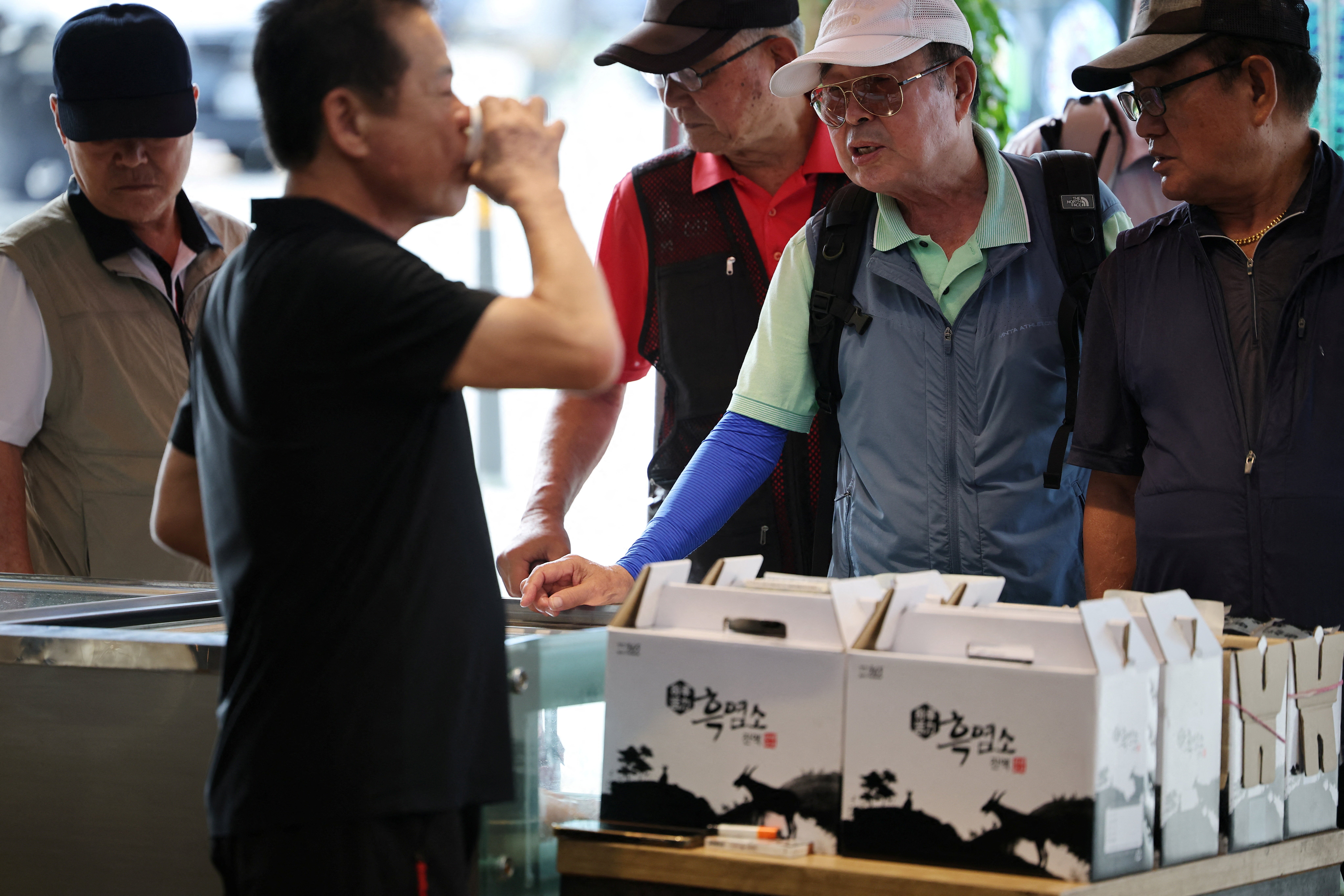
Despite soaring supply costs and minimal profits, he continues serving the dish largely for loyal regulars.
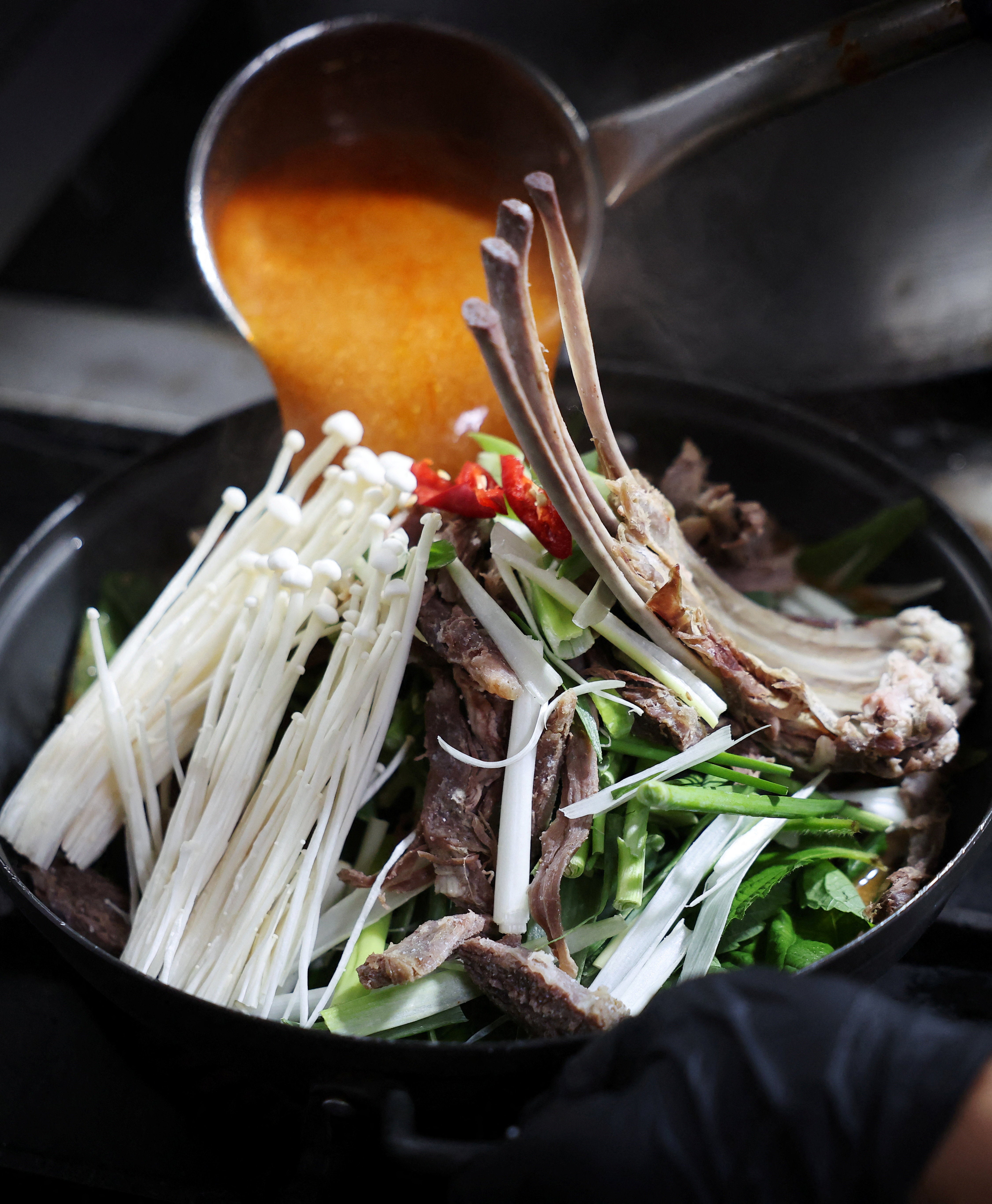
He said authorities should do more to help elderly vendors transition to new businesses. Many restaurants in Moran Market have switched to black goat stew, marketed as another traditional health food, but owners say the shift has been difficult and does not fully make up for lost dog meat sales.
Among those having dog meat stew on Friday was Yoo Jin-sam, who said he had eaten the dish since his early twenties.
“I’m very disappointed,” Yoo said. “People keep looking for it because they believe it’s good for their health, and now they’re getting rid of it.”
Yoo, 69, said he accepted the government’s decision, but would miss dog meat.
“I love dogs very much,” Yoo said. “But it’s still unfortunate. If there were a way, I’d like to be able to eat it again.”
Another customer, Kim Jin-suk, 71, said he had few regrets about dog meat going off the menu: “I can just eat something else.”
Source link